Tailored Senior Care Services: Your Guide in Aging Gracefully
Customized elderly support services act as an important function in helping seniors as they age. These services center on personal choices and needs, supplying necessary help that strengthens both independence and well-being. With selections spanning from social support to expert health care, families often encounter obstacles in choosing the correct strategy. Learning about the various aspects of personalized support can lead in major gains in quality of life for older individuals. What factors should one consider when selecting a care provider?
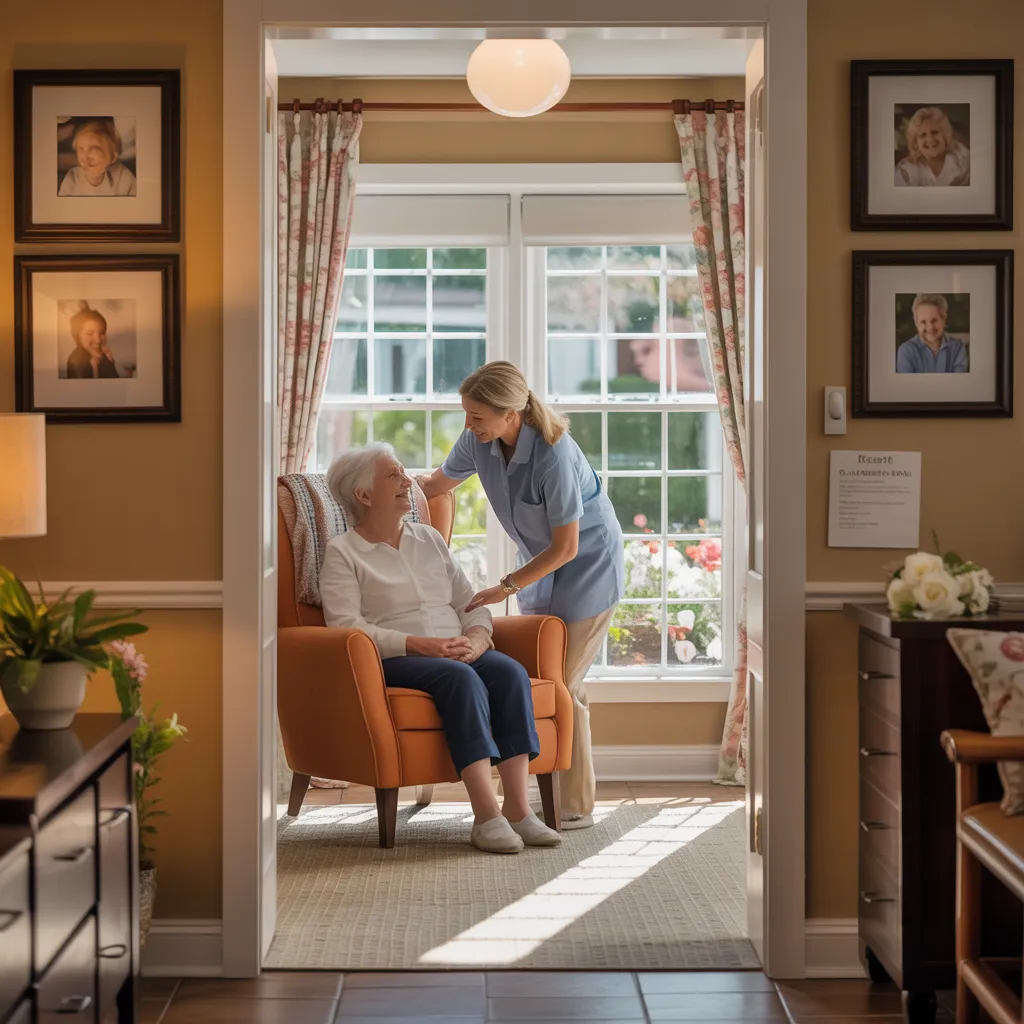
Learning About Individualized Senior Care Solutions
Personalized support systems can deliver assistance with routine activities, health observation, and social companionship, all designed to support self-determination and dignity. By attending to the person, caregivers can cultivate a sense of place and purpose, which is critical for mental health. Additionally, these offerings often adapt over the course of, responding to the changing needs of the elderly. This flexibility permits for regular reassessment and calibration, confirming that support stays relevant and productive. Ultimately, personalized senior care means enhancing the overall well-being of older adults in a respectful and empathetic manner.
Styles of Custom Senior Wellness Programs
Personalized senior care services encompass a range of options customized to meet personal requirements. Primary categories include in-home care options that provide support within the convenience of one's home, as well as targeted medical care designed for specific medical conditions. These services work to improve the quality of life for seniors, guaranteeing they get the suitable support.
In-Home Services Options
As families seek to ensure their loved ones get the best possible care, multiple in-home care services develop to meet diverse needs. Companionship care options offer psychological comfort and social interaction, assisting seniors combat loneliness while assisting with daily activities. Personal care aides concentrate on hygiene and mobility support, ensuring safety and comfort in a familiar environment. For those needing more assistance, household care services offer help with household tasks such as cleaning, cooking, and laundry, enabling seniors to maintain their independence. Respite care delivers temporary relief for primary caregivers, providing much-needed breaks while ensuring continuity of care. Each option emphasizes personalized attention, allowing families to select the level of support that matches their loved one's unique requirements.
Specialized Health Care
Managing the complexities of aging typically requires specialized health services adapted to satisfy the special medical needs of seniors. These services provide a range of offerings, covering geriatric assessments, chronic disease management, and physical therapy. Geriatric assessments evaluate an individual's overall health, recognizing specific needs and interventions. Chronic disease management concentrates on conditions like diabetes or heart disease, delivering ongoing support and education to assure ideal health outcomes. Physical therapy assists seniors in regaining mobility and strength, boosting their quality of life. Additionally, mental health services address emotional well-being, providing counseling and support groups. By uniting these specialized services, seniors can navigate their health journeys with greater assurance and support, ultimately promoting a more graceful aging process.
Important Benefits of Personalized Elderly Care
Tailored elderly care presents significant advantages through person-centered plans that address individual requirements. This personalization fosters enhanced health results and also improves the life satisfaction for older adults. By centering on the distinct needs and preferences of each senior, tailored support establishes a supportive environment favorable toward wellness.
Individualized Care Plans
An expanding volume of aged care organizations are understanding the value of individualized care approaches, which respond directly to the unique needs and preferences of each individual. These customized programs assess various factors, including medical history, physical capabilities, and emotional well-being, making certain that care is not only effective but also honoring the elderly individual's choices and values. By incorporating family members and caregivers in the planning process, these services foster a collaborative approach that enhances satisfaction and compliance. Additionally, tailored care plans can transform, reflecting changes in health status or personal preferences, thereby delivering ongoing support. This personalized care helps seniors retain self-direction while getting the care they require, ultimately contributing to more meaningful and fulfilling experiences.
Advanced Quality Of Existence
Numerous studies highlight that personalized senior care significantly enhances the quality of life for older adults. By focusing on unique needs, preferences, and lifestyles, these services promote physical, emotional, and social well-being. Tailored care plans can lead to better health outcomes, as they often include customized nutrition, exercise, and medication management. Additionally, personalized attention builds meaningful relationships between caregivers and seniors, lessening feelings of isolation and loneliness. This supportive environment encourages active engagement in daily activities, enhancing mental stimulation and overall happiness. Ultimately, personalized senior care not only addresses medical needs but also enhances the emotional and social dimensions of aging, allowing see more older adults to thrive and maintain their dignity.
Selecting the Ideal Elder Care Provider
What methods can relatives follow to guarantee they choose the most suitable elderly care facility for their loved ones? The process starts with comprehensive investigation. Families should evaluate candidate facilities based on credentials, expertise, and services offered. Reading internet testimonials and testimonials can provide useful information into the standard of care provided.
Subsequently, scheduling consultations enables families to inquire about particular details, ensuring that the provider's philosophy and approach align with their family member's needs. It is essential to evaluate the facility's environment and staff interaction, as these components greatly influence the quality of care.
Additionally, checking adequate credentials and endorsements can help families assess the provider's reliability. Grasping the payment structure and accessible financial alternatives is similarly critical to avoid unexpected expenses. Ultimately, choosing a senior care provider should incorporate a blend of thorough research and personal connection, assuring that the chosen option supports the loved one's quality of life and respect.
Strengthening Self-Determination and Protection for Seniors
Additionally, digital tools plays an integral role in enhancing independence. Resources like medical alert systems and home monitoring solutions empower seniors to manage their daily activities with confidence. Personalized care arrangements, suited to individual needs, further support seniors in pursuing hobbies and social engagements, instilling a sense of purpose.
Furthermore, care providers deliver help managing daily tasks while motivating seniors to engage to the greatest extent they can. This equilibrium of help and independence not only improves safety but also promotes self-esteem, ultimately contributing to a more satisfying and independent lifestyle for seniors.
Success Stories: How Personalized Care Transformed Lives
Personalized support has proven revolutionary for many seniors, illustrating the significant impact tailored support can have on their wellbeing. One such success story involves a 78-year-old woman named Margaret, who dealt with movement and isolation. After joining a personalized support program, she obtained help that included customized exercise plans and social engagement programs. Within months, Margaret regained vigor and confidence, allowing her to take part in local activities.
Likewise, John, a 72-year-old veteran with memory challenges, took advantage of one-on-one mental enrichment sessions intended for his interests. His caregiver worked in familiar themes from his military service, strengthening meaningful conversations and easing anxiety.
These examples show how individualized attention not only meets individual needs but also improves psychological health. By customizing services to each elderly person's distinct needs, support workers can significantly enhance living standards, allowing elderly adults to age gracefully and with dignity.
Frequently Asked Questions
In What Ways Are Bespoke Care Plans Constructed for Senior Citizens?
Tailored care plans for older adults are formed through extensive assessments, including evaluations of overall condition, preferences, and personal requirements. Collaborating with medical providers, household members, and the seniors themselves ensures personalized support that promotes quality of life and self-respect.
What Credentials Should Home Care Workers Demonstrate for Tailored Services?
Caregivers need to secure relevant certifications, such as CPR and first aid, coupled with specialized training in elderly care. Empathy, dialogue abilities, and familiarity with various medical conditions are important for rendering effective personalized services.
What Ways Can Households Remain Involved in the Care Process?
Families can remain engaged in the caregiving journey by participating in conferences, communicating regularly with caregivers, participating in care planning, and engaging in activities with their loved ones, creating a collaborative and supportive environment for seniors.
What Emergency Guidelines Have Been Put in Place for Seniors Receiving Assistance?
Urgent protocols for aged individuals under care offer swift entry to health aid, formalized communication networks for caregivers, regular safety exercises, and tailored emergency frameworks designed to individual medical needs and wishes, ensuring prompt responses during critical situations.
Do Insurance Policies Cover Personalized Senior Care Services?
Senior care programs that are personalized may be partially covered by your insurance, contingent on the coverage plan. Coverage often changes by provider and particular services needed, so individuals should consult their insurance plans for specific details regarding eligibility and benefits.